


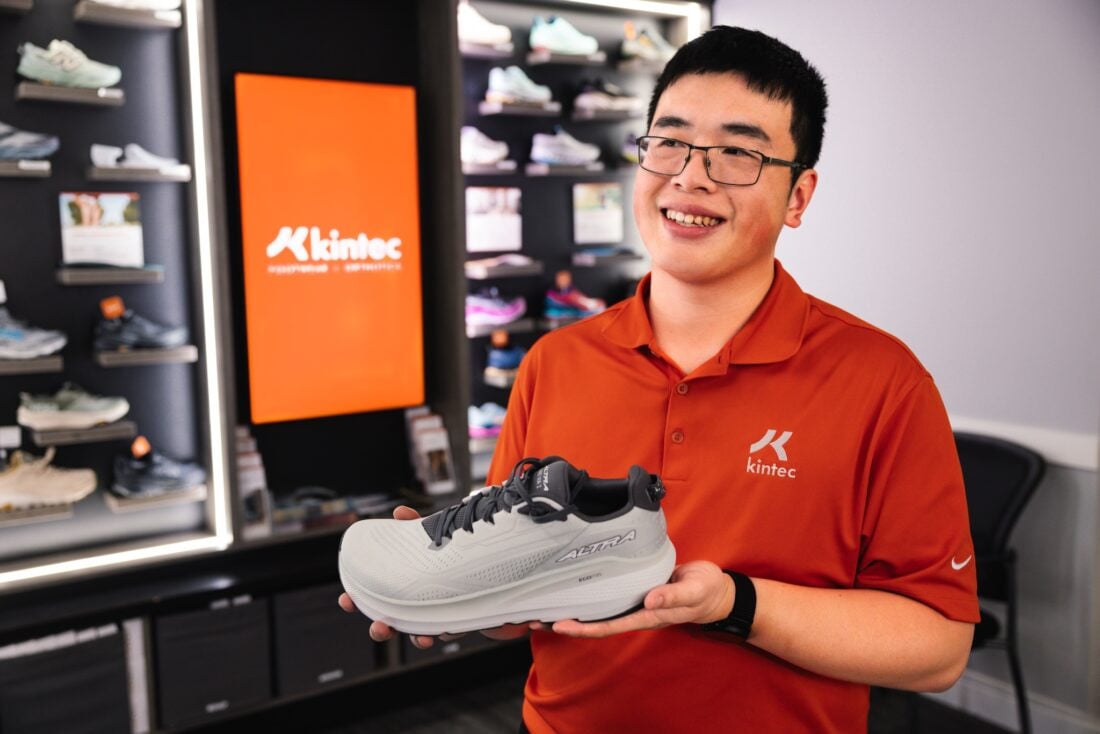
How to Break In New Shoes Without the Pain: A Fit Guide
Quick answer: How do you break in new shoes?
Break in new shoes gradually by wearing them for short periods, testing them with the socks you plan to use and adjusting the lacing to improve heel hold or relieve pressure. Some initial stiffness can be normal, but pain, numbness, recurring blisters or persistent hot spots usually mean the fit needs attention.
What to check as you wear them:
- Your heel stays secure without excessive pressure.
- Your toes have room to move.
- The shoe remains comfortable after 30 minutes or more.
- No rubbing, numbness or pressure point keeps returning.
There’s something particularly satisfying about a new pair of shoes: fresh cushioning, untouched tread and that first step when everything still feels new. But when stiffness, pressure or rubbing appears, the familiar advice is to simply break them in. At Kintec, we take a different approach: don’t just break your shoes in—dial your fit in.
Some initial stiffness can be normal, but blisters, numb toes, sharp pain and persistent hot spots are not part of a healthy break-in period. Recurring discomfort is a sign that the fit needs attention.

How to break in new shoes gradually
A shoe can tell you plenty in the first few minutes, but it can tell you even more after the first hour, once you have had time to notice how it holds your heel, accommodates your toes and responds as you move.
Before taking new footwear into a long day, big hike or extended run, give yourself a chance to understand how it behaves.
Wear your shoes indoors first. Walk around, try some stairs and notice how they respond. If they’re running shoes, begin with a shorter, easier run before gradually increasing the distance.
This is not simply about waiting for the shoe to soften. You’re testing the fit in the conditions that actually matter.
As you test the shoes, pay attention to a few specific signals:
- Does your heel stay secure once you start moving?
- Do your toes have enough room?
- Is there pressure across the top of your foot?
- Are you noticing friction in the same place repeatedly?
- Does the shoe feel different 30 minutes in than it did at minute one?
Think of those first few wears as a conversation between your feet and your footwear—and make sure you listen.
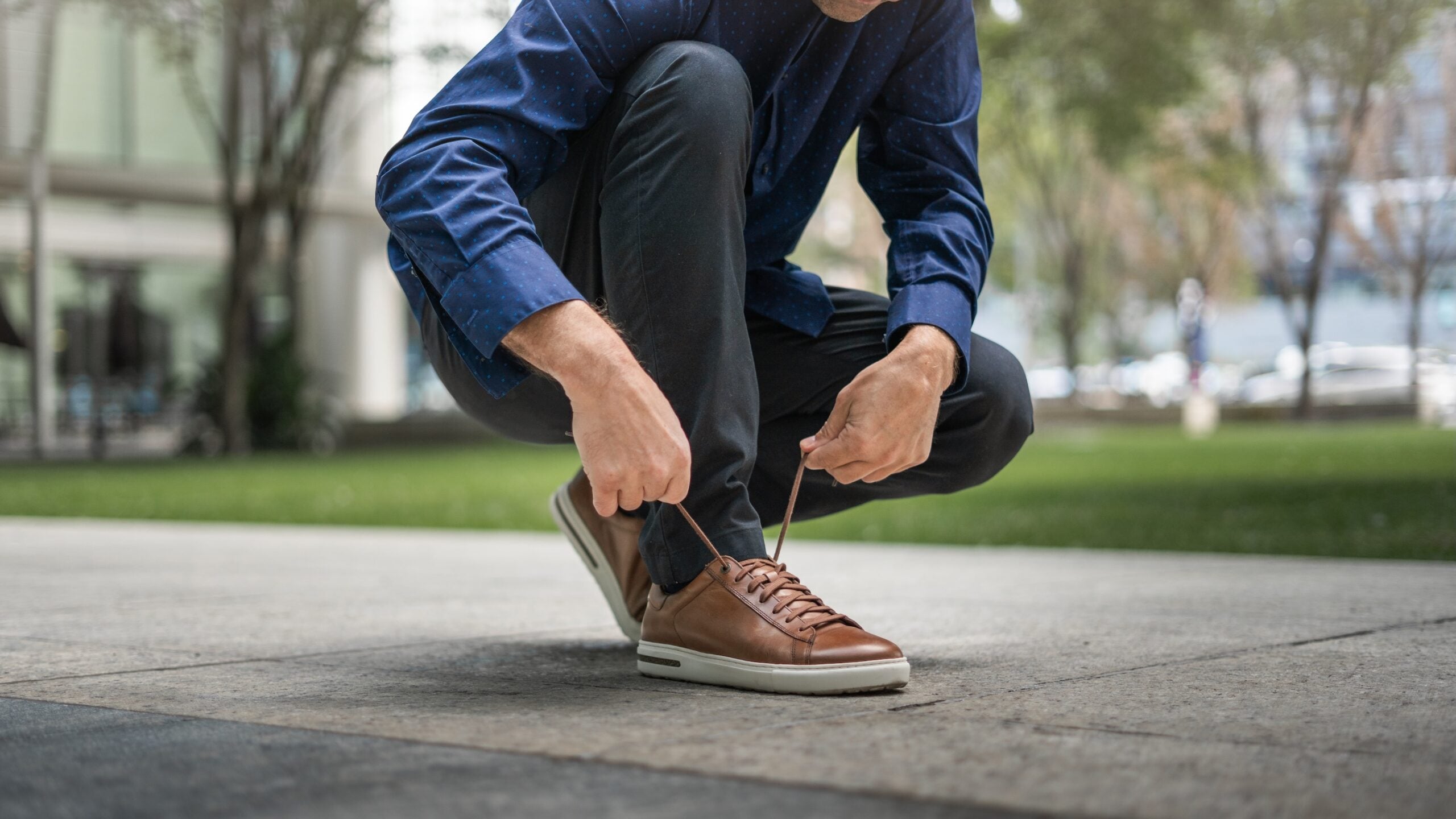
How to adjust your laces for a better fit
Most of us learned how to tie our shoes when we were five and then stopped thinking about it. But treating laces as an afterthought means overlooking one of the simplest ways to adjust how a shoe fits.
Lacing can noticeably change how a shoe fits, but the answer isn’t necessarily to pull everything tighter.
Pull every section of a shoe tight and you may create more pressure without actually improving the fit. Instead, think about where you want the shoe secure and where your foot needs a little breathing room.

How to stop your heel from slipping
The extra eyelet near the top of many running and athletic shoes has a purpose. Using it for a runner’s loop, sometimes called a heel lock, can create a more secure hold around the heel.
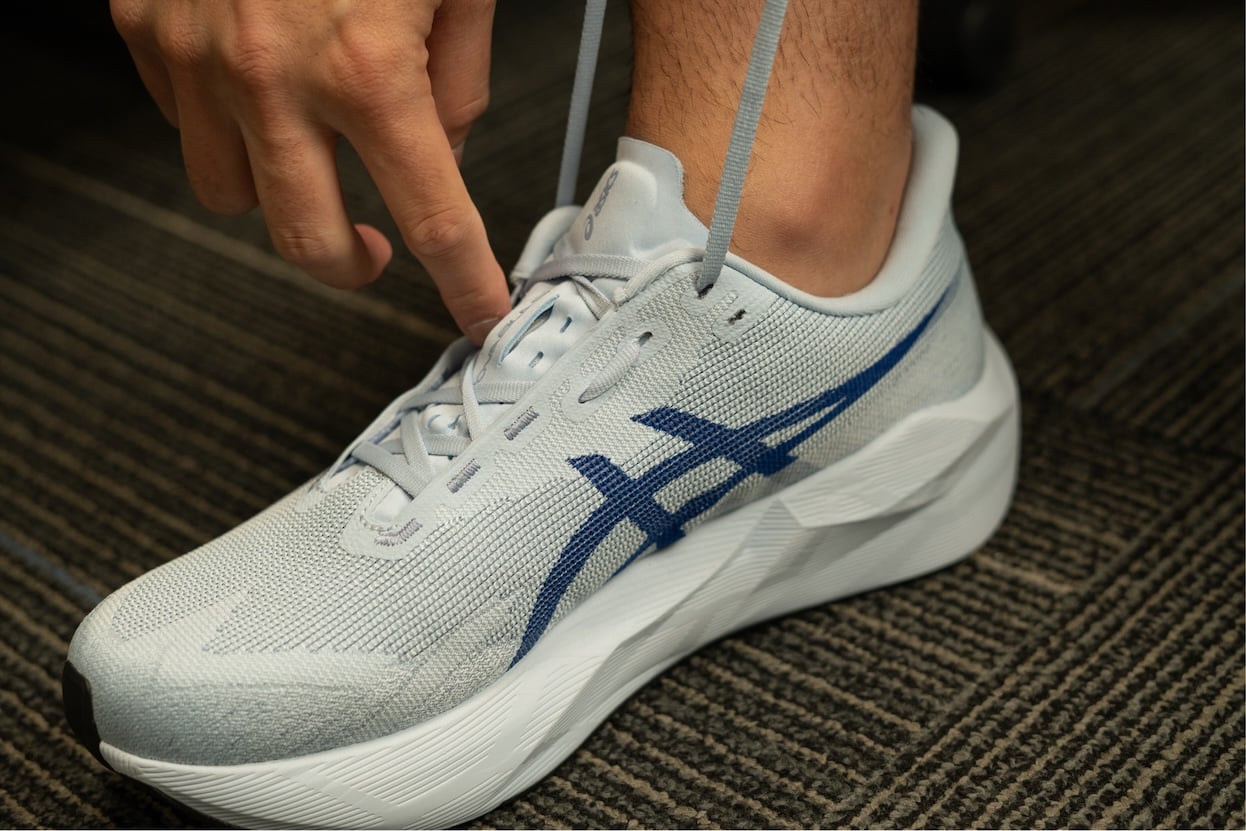
How to relieve pressure on top of your foot
Try creating a window in your lacing.
Instead of crossing the laces over the sensitive area, run them vertically through that section before resuming the usual crossing pattern above it.
It’s a small adjustment that changes where lace pressure is applied.
How to create more room in the forefoot
Before pulling everything apart, look at the tension through the lower section of the shoe. You don’t need identical tension from toe to ankle.
The goal isn’t to make your shoe tight. It’s to make it secure where your foot needs it to be secure.
Welcome to the strangely fascinating world of shoe fit, where moving a lace by a few millimetres can sometimes matter more than you’d expect.

How socks affect shoe fit
Your socks are another surprisingly effective fit tool. Thickness and cushioning affect how much space your foot has inside the shoe, while material and construction influence heat, moisture and friction—especially the longer you’re moving.
When deciding whether a new pair fits, test it with the socks you’ll actually wear.
Better yet, experiment: if the shoe feels a little too snug, try a thinner sock; if you want more cushioning, see what happens with a more cushioned pair. If you’re running in them, pay particular attention to breathability and moisture management.
This is why good fit gets surprisingly precise.
Sometimes the difference between almost right and just right really can come down to a few millimetres.

How to tell if shoes fit while you are moving
Fit is not static. What feels right when you first put a shoe on can change once heat, moisture and sustained movement begin affecting both the foot and the shoe. The real question is not simply whether the shoe fits, but whether it continues to fit when you are actually using it.
As you move, notice whether your toes still have room, your forefoot feels compressed, your heel begins to slip or a small pressure point becomes increasingly distracting. A shoe should not only fit when you put it on; it should continue working with your foot once you are moving.
Normal break-in discomfort vs. signs of a poor fit
Footwear can change with wear: materials may flex, the shoe can begin to feel more familiar, and small adjustments to lacing or sock choice can improve how it feels. But breaking shoes in should never become shorthand for ignoring what your feet are telling you.
Persistent rubbing, numbness, recurring blisters, sharp pain or a pressure point that returns every time are signs the fit needs attention—not discomfort you simply have to outlast.
You don’t get bonus points for outlasting uncomfortable footwear. The solution might be a lacing adjustment or a different sock, but it could also mean reconsidering the size, shape or shoe itself. There’s an important difference between getting used to something new and trying to convince yourself something fits—and your feet usually know the difference.

How to care for new shoes after dialling in the fit
Once the fit is dialled in, proper care helps the shoes keep performing as intended. In Canada, that often begins with one inevitable reality: sooner or later, your shoes are going to get wet.
How to dry wet shoes safely
Moisture can remain inside the shoe, particularly around the toe box and beneath a removable sockliner or orthotic. Loosen the laces, pull the tongue forward and remove the sockliner or orthotic when appropriate so each component can dry separately in a place with good airflow.
The goal is simple:
Help air reach the places water found first.
Be cautious with direct or high heat and check the care instructions for your particular footwear. Different materials can require different treatment.
And don’t forget to let the inside dry completely before putting everything back together.
How to clean dirty shoes without damaging them
A well-used shoe eventually starts looking well used, collecting mud, dust, sweat and the occasional mystery trail substance.
Before throwing footwear into a washing machine, check the manufacturer’s care instructions. Construction, adhesives and materials vary significantly between shoes, so a cleaning method that’s appropriate for one pair may not be right for another.
As a starting point:
- Remove loose dirt and debris.
- Take out removable laces and sockliners when appropriate.
- Clean according to the manufacturer’s instructions for the material.
- Let each component dry thoroughly.
- Reassemble everything once it’s completely dry.
Remember that materials matter: the way you treat a mesh running shoe shouldn’t automatically be the way you treat leather, suede or nubuck. Your shoes have already been through enough, so cleaning shouldn’t be their toughest workout.

How long does it take to break in new shoes?
There is no universal break-in timeline. Some footwear feels natural immediately, while other shoes take a few shorter walks or runs to feel familiar. What matters is whether the fit remains comfortable as you move—not how many days you have worn the shoes.
Instead of measuring the break-in period in days, ask whether you have dialled in the fit: Do you know how tightly you like the shoes laced, have you tested them with the socks you will actually wear, and do they remain comfortable once you have been moving for a while?
And perhaps the most important question is whether you have stopped thinking about your shoes. That’s where great footwear gets interesting: the better it works, the less attention it demands.
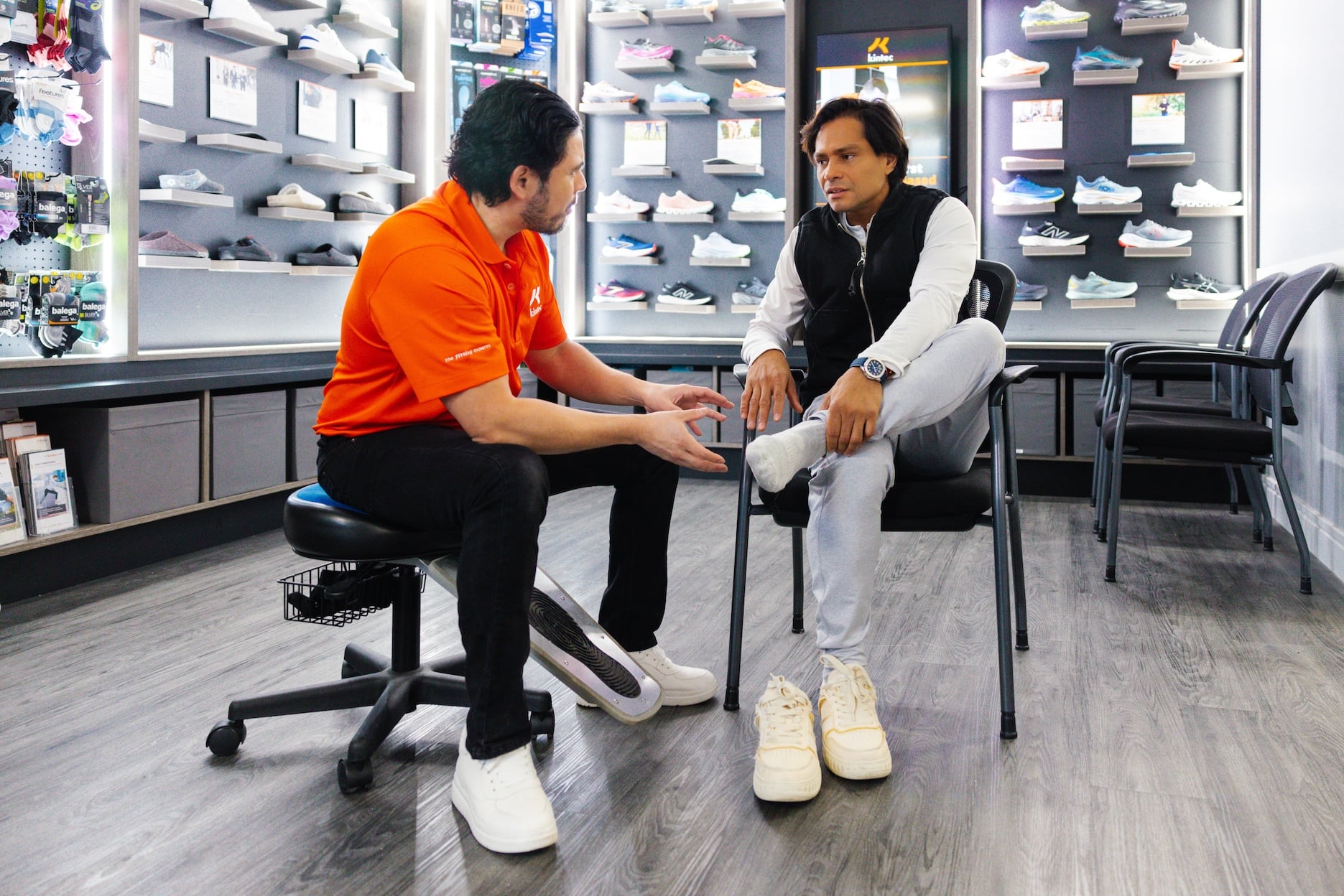
What does a properly fitting shoe feel like?
A properly fitting shoe should feel secure without feeling restrictive. Your heel should stay in place, your toes should have room to move, and the shoe should remain comfortable as your feet warm up and you spend more time in motion.
Great fit comes down to how every detail works together: the heel that stays put, the room your toes need, the lace tension you barely notice, the right sock and comfort that lasts once you’re moving.
When those details work together, you stop thinking about what’s on your feet and start thinking about where they’ll take you next.
Frequently asked questions about breaking in new shoes
Should new shoes hurt while breaking them in?
No. New shoes may feel slightly stiff or unfamiliar at first, but they should not cause persistent pain, numbness, recurring blisters or significant rubbing. Those symptoms indicate that the size, shape, lacing or shoe may need to change.
How do you break in new shoes?
Wear new shoes for short periods before using them for a full day, long walk, hike or run. Test them with the socks you plan to wear, adjust the lacing as needed and increase your time or distance only if the shoes remaincomfortable while you move.
Can lacing make shoes fit better?
Yes. Lacing changes how securely a shoe holds different areas of the foot. A runner’s loop can reduce heel movement, while a lacing window can relieve pressure across the top of the foot.
Do socks affect how shoes fit?
Yes. Thicker or more cushioned socks take up more room inside the shoe, while thinner socks create more space. Sock material also affects heat, moisture and friction, so test new shoes with the socks you will actually wear.
How should I dry wet shoes?
Loosen the laces, pull the tongue forward and remove the sockliner or orthotic when appropriate. Let each component dry separately in a place with good airflow, and avoid direct or high heat unless the manufacturer’s care instructions say it is safe.
Can I put running shoes in the washing machine?
Only if the manufacturer’s care instructions specifically allow it. Shoe materials, adhesives and construction vary, so machine washing can damage some footwear. When in doubt, clean the shoes by hand using the recommended method for the material.
Sorry, the comment form is closed at this time.